
Your ceramic coating won’t last forever. Even the best professional-grade coatings break down over time, and knowing when to get a new application can save your paint from damage that’s expensive to fix. Sun Diego Wraps in San Diego helps vehicle owners stay ahead of coating failure by providing professional ceramic coating services built to perform in Southern California’s demanding conditions.
If your car’s finish looks duller than it used to, water no longer beads the way it did after your first application, or you’re noticing more surface contamination sticking to panels, those are signs your coating is wearing thin. Catching these signs early means you protect your investment instead of paying for paint correction down the road. This guide breaks down exactly what to look for so you know when it’s time to schedule a reapplication.
Water Behavior Changes on the Surface
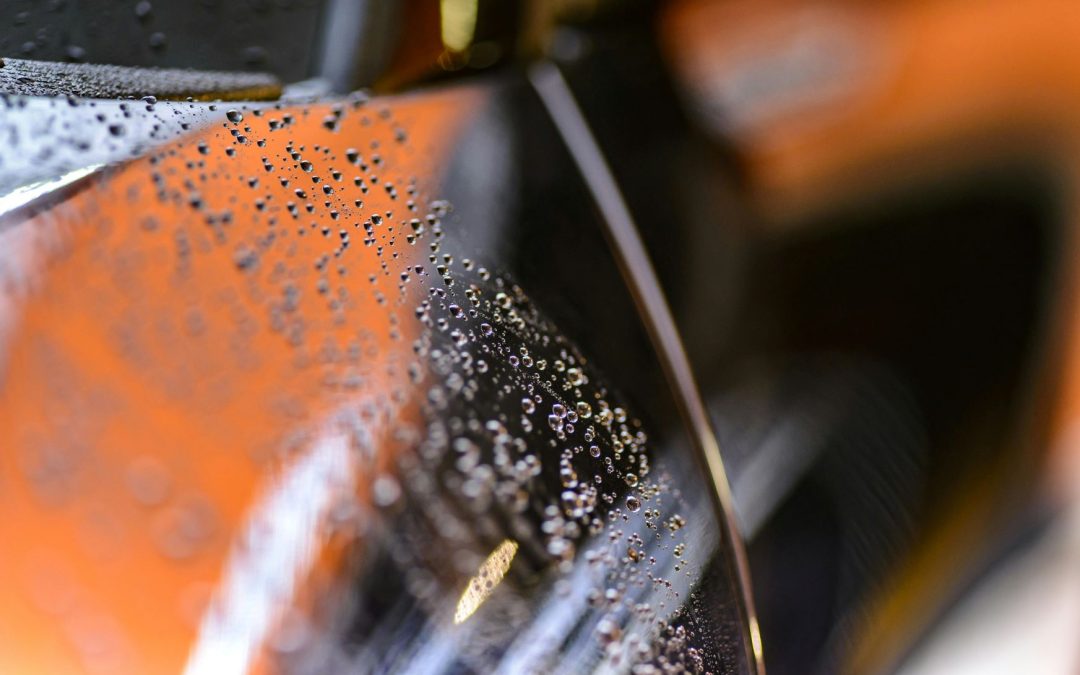
The easiest way to check your ceramic coating’s health is to watch how water interacts with your paint. A fresh coating produces tight, round water beads that roll off quickly. This is called hydrophobic behavior, and it’s one of the first things to degrade.
Water Sheeting Instead of Beading
When water starts to sheet across your panels in flat layers instead of forming distinct beads, the coating’s surface energy has changed. The silica dioxide layer is thinning, and contaminants are filling in the nano-pores that once repelled moisture.
Slow or Incomplete Water Runoff
You might also notice that after rain or a wash, water lingers on horizontal surfaces like the hood, roof, and trunk. A healthy coating sheds water almost immediately. If you’re seeing puddles sit and dry in place, leaving behind water spots, the coating isn’t doing its job anymore.
Surface Contamination Sticks More Easily
A working ceramic coating makes it hard for bug splatter, bird droppings, tree sap, and road grime to bond with the paint surface. When these contaminants start sticking and requiring more effort to remove, the sacrificial layer of the coating has worn through.
Pay attention during your regular washes. If a simple rinse used to remove most surface debris and now you’re scrubbing, that’s a direct sign of coating breakdown.
The Paint Looks Dull or Flat
Ceramic coatings add a layer of optical clarity to your paint. They enhance gloss and give the finish a wet, deep appearance. When that gloss fades and the paint starts to look flat or hazy, you’re seeing the coating degrade.
Swirl Marks Becoming Visible
A strong coating resists light scratches and swirl marks. Once those start showing up, especially after washes, the hardness layer is compromised. You’re now looking at exposed or under-protected clear coat.
Inconsistent Sheen Across Panels
Check your paint under direct sunlight. If some panels still look glossy while others appear matte or chalky, the coating is wearing unevenly. High-exposure areas like the hood, roof, and side mirrors typically fail first.
Touch Tells You a Lot
Run your clean hand across a coated panel. A healthy ceramic coating feels glass-smooth. If the surface feels rough, gritty, or has any drag to it, contaminants have bonded to the surface or the coating itself has deteriorated.
This tactile test works best right after a wash when there’s no loose dirt to interfere with the reading.
Age and Mileage Matter
Most professional ceramic coatings are rated for two to five years depending on the product and the number of layers applied. If you’re approaching that window, start watching for the signs listed above more closely.
Vehicles driven daily, parked outdoors, or exposed to freeway driving accumulate wear faster. A garaged weekend car and a daily commuter won’t degrade at the same rate, even with the same product applied.
Environmental Factors Specific to San Diego
San Diego’s UV exposure is intense year-round. Ultraviolet radiation is one of the primary forces that breaks down ceramic coatings at the molecular level. Coastal salt air adds another layer of chemical stress, and morning marine layer moisture followed by afternoon sun creates repeated expansion and contraction cycles on the coating surface.
- Prolonged UV exposure accelerates silica dioxide degradation faster than coatings in overcast climates
- Salt-laden coastal air creates micro-corrosion opportunities once the coating thins
- Temperature swings between cool marine air and direct sun stress the bond between coating and clear coat
- Pollen and organic debris from coastal vegetation can chemically etch weakened coatings
These factors mean San Diego vehicles often need reapplication sooner than manufacturer timelines suggest.
What Happens If You Wait Too Long
Ignoring a failing ceramic coating doesn’t just mean losing the coating’s benefits. It means your clear coat takes direct hits from everything the coating used to block.
- Unprotected clear coat oxidizes faster under UV, leading to permanent dullness
- Bird droppings and tree sap etch into uncoated clear coat within hours in warm weather
- Water spots bake into the surface and require machine polishing to remove
- Accumulated damage may require full paint correction before a new coating can be applied, adding cost and time
A timely reapplication skips most of this. A late one means starting over from scratch.
Schedule a Ceramic Coating Inspection
If you’ve noticed any of these signs, don’t wait for them to get worse. Contact Sun Diego Wraps in San Diego to have your coating inspected and get a professional recommendation on whether it’s time for a fresh application. Getting ahead of coating failure keeps your vehicle protected and avoids the cost of corrective work later.
The best time to address a worn ceramic coating is before your paint pays the price.